New York’s new cannabis advertising restrictions closed one marketing channel and opened another in the same regulatory package — and the two changes point operators in the exact same direction.
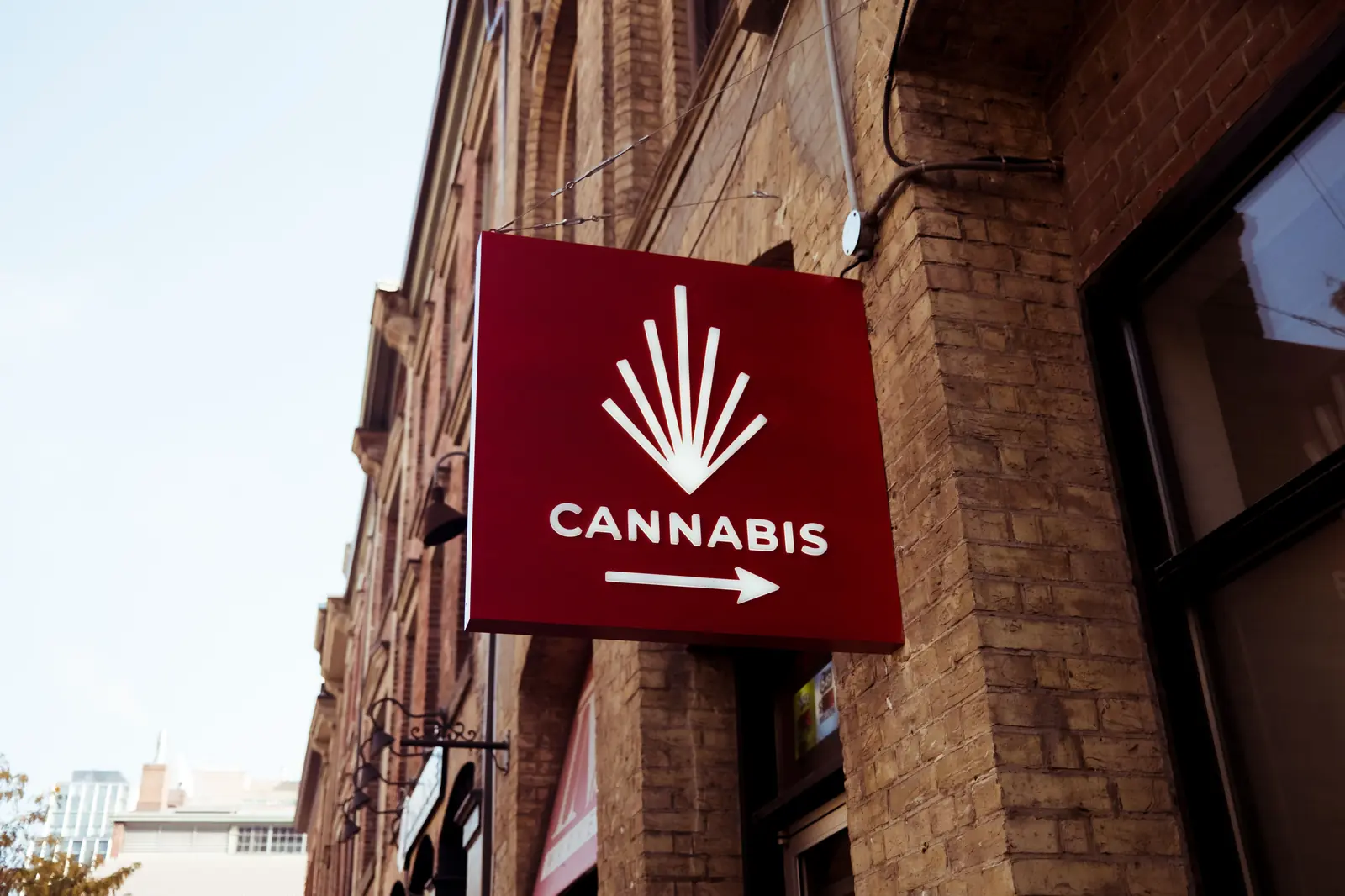
Billboards are gone. The Cannabis Control Board reaffirmed the ban on cannabis billboard and vehicle advertising as part of its updated Packaging, Labeling, Marketing and Advertising (PLMA) regulations, and any licensee still running one has until February 24, 2026 to take it down. That’s a channel some operators have leaned on for brand awareness since adult-use sales opened — gone, with no paid outdoor replacement waiting to take its place.
At the same time, loyalty programs are legal for the first time. The same regulatory package amended Parts 128 and 129 of the state’s cannabis rules to authorize points systems, bundled discounts, and first-time-customer offers that New York had banned outright until the Cannabis Control Board adopted the change on November 13, 2025. The updated rules took effect that December, when the Office of Cannabis Management published them in the State Register.
One channel closes. One opens. Neither is optional to respond to, and the market isn’t waiting for anyone to catch up: New York cannabis retail hit $1.69 billion in 2025, more than 580 dispensaries are open, and new licenses are approved every month. That’s rising competitive density, not a shakeout — more storefronts chasing the same local searches and the same map-pack placements, every month this stays true. Owned channels — the search rankings, the subscriber list, the reviews a dispensary actually owns — carry more of the marketing load than they did a year ago, because there’s less room left for anything else.
What Actually Changed in New York’s Cannabis Advertising Rules?
Two things, in the same rulemaking. Billboard and vehicle advertising for cannabis remains prohibited outright, with existing signage required down by February 24, 2026. Loyalty programs, points-based rewards, and promotional discounts — banned outright before — are now permitted, provided pricing stays at or above 1.5× wholesale cost and excise tax is calculated on the pre-discount price.
The billboard piece isn’t a brand-new rule so much as a clarified and enforced one. The updated regulations define exactly what counts as a billboard by size and distance from the licensed premises, and they close the ambiguity that let some signage slide. Vehicle advertising gets no such gray area — it’s a flat no. Read the source rules directly at the Office of Cannabis Management’s Part 129 marketing and advertising guidance.
Why the Billboard Ban Lands Harder in 2026 Than It Would Have a Year Ago
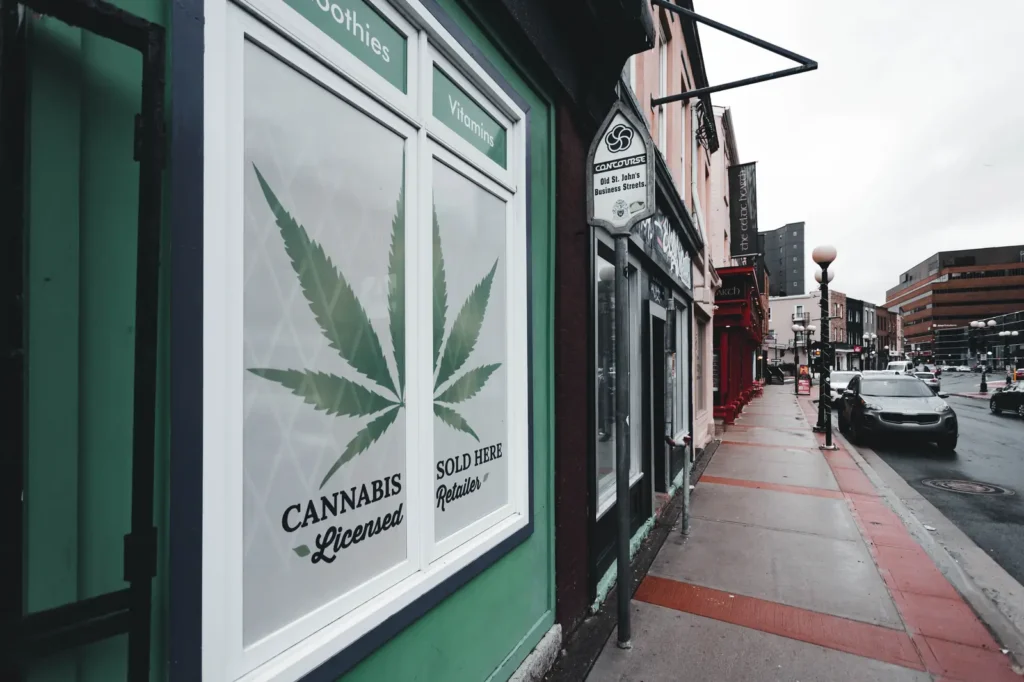
A billboard ban in a market with a handful of dispensaries is an inconvenience. A billboard ban in a market with 580+ open storefronts, $1.69 billion in 2025 sales, and new licenses clearing every month is a forced migration — every operator loses the same paid-awareness channel at the same time competition for attention keeps climbing.
That’s the part worth sitting with. This isn’t a story about weak operators getting culled — it’s the opposite. Rising competitive density means more legitimate, licensed storefronts are opening in the same neighborhoods, chasing the same searches, at the same time a paid channel just disappeared. The dispensaries that show up first when someone nearby searches, and the ones with a list of their own customers to talk to, are the ones who don’t feel this shift as a loss. That’s exactly the terrain LeafSuite’s Local Demand Capture engine is built for — local SEO, reputation, and listings that make a dispensary the obvious choice in the exact channel that just picked up all the weight billboards used to carry.
See how LeafSuite builds this into a weekly system for licensed dispensaries. → Local Demand Capture
Two checks worth running this week: pull your Google Business Profile insights and see whether your non-branded search impressions have moved in the last quarter, and audit whether your own products are actually indexed on Google — a surprising number of dispensary menus aren’t. If your Google Business Profile hasn’t been touched since your billboard was still up, that’s the first place competitive density will find you.
Why New York Legalizing Loyalty Programs Changes the Retention Math
Until the amendments to Parts 128 and 129 took effect, a New York dispensary couldn’t run a points system, a bundled discount, or a first-time-customer offer — full stop. Every operator in the state built their customer relationships without the tools most retail categories have used for decades. That changed at once, for everyone, this past winter.
Which means every dispensary in New York is starting the retention game from zero on the same day. The operators who build real loyalty infrastructure now, not a discount slapped on at checkout, but an actual system for who comes back and when, are the ones who keep the customers Local Demand Capture pulls in the door. That’s the connection worth naming even in a post about advertising rules: a dispensary can win the local search that a billboard used to buy, and still lose the customer a week later with nowhere to bring them back to. This is squarely Retention Engine territory, and it’s a category nearly every New York operator is building from scratch at the same time — a rare, short window to get there first.
If you’re mapping out what these rules mean for your specific New York market, LeafSuite’s New York cannabis marketing page breaks down what’s allowed now, what still isn’t, and where to prioritize first.
The Bottom Line
Nothing about this regulatory shift is a reason to pull back. It’s a reason to stop treating local search and retention infrastructure as add-ons. Billboards funded awareness for years without anyone having to think about what happens the day that channel disappears. That day arrived on a fixed date — February 24, 2026 — in a market that keeps adding storefronts every month. The dispensaries building owned channels now are the ones who won’t be starting from behind when the next 36 licenses clear.
Want a clearer growth plan for your dispensary? Book a Dispensary Growth Audit.
Related: one LeafSuite client went from ranking for 4 keywords to 65 in 17 months, with a 473% increase in Google Search impressions: read the full Local Demand Capture case study.
Not Sure How The New Ad Rules Affect You?
Billboards are out, loyalty programs are in. See what that means for your dispensary’s growth strategy.